How Cruise Ships Keep You Safe
The rules, the drills and the equipment behind every sailing.
Get Free Cruise QuotesOcean cruise ships operate under one of the most detailed safety frameworks in transportation. Here is how it works, in plain English.
SOLAS: The Rulebook Every Ship Follows
The International Convention for the Safety of Life at Sea — usually called SOLAS — is the main international treaty on ship safety. It is maintained by the International Maritime Organization (IMO), a United Nations agency, and it sets minimum standards for how passenger ships are built, how they are equipped and how they are operated. You can read an overview of the SOLAS convention on the IMO website.
SOLAS covers things you will never see, such as how a ship is divided into watertight compartments, how fire is contained between zones, and how emergency power is supplied. It also covers things you will see: life jackets, lifeboats, emergency lighting along corridors, and the safety briefing on embarkation day.
Each ship is registered in a country (its “flag state”), which is responsible for certifying that it meets these rules. Ports add another layer: when a foreign-flagged cruise ship carries passengers from a U.S. port, the U.S. Coast Guard examines it as well. Classification societies — independent technical organizations — also survey the hull and machinery throughout the ship’s life.
The Muster and Safety Briefing
Since 2015, SOLAS has required that newly embarked passengers are mustered before or immediately upon departure, on voyages where they will be on board for more than 24 hours. The briefing explains how to put on a life jacket and what to do in an emergency, and it is announced in the languages passengers are likely to understand.
Many ships now use an approved “e-muster” process: you review the safety information on your phone or cabin TV, then check in in person at your assembly station during embarkation. The result is the same — every guest knows where to go — without crowds waiting on deck.
- Listen for the general emergency alarm: seven or more short blasts followed by one long blast.
- Your assembly station is printed on your cruise card or cabin door.
- Life jackets for adults are in your cabin; children’s sizes are available — ask your cabin steward if you don’t see them.
Lifeboats, Life Rafts and Evacuation
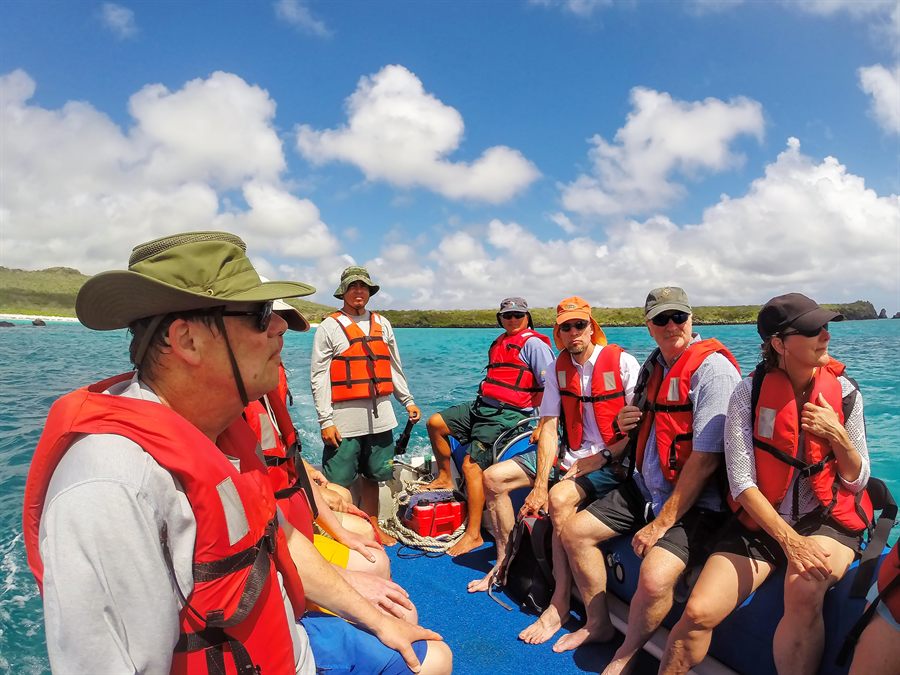
Every ocean cruise ship carries survival craft — lifeboats and inflatable life rafts — for everyone on board, with additional capacity beyond that. The orange or white boats you see hanging along the sides of the ship are lifeboats; on many ships some of them double as tenders that ferry guests ashore in ports without a dock. Life rafts are stored in canisters and launched from marine evacuation systems.
The guiding principle on modern ships is that the ship itself is the best lifeboat. Designs include redundant engines and power, fire-resistant zones and watertight compartments so that, in most situations, the ship can stay afloat and return to port under its own power. Abandoning ship is a last resort, and the crew trains for it so that guests never have to improvise.
| What | Who is responsible | What you do |
|---|---|---|
| Survival craft for all on board | Ship and flag state | Nothing — it is checked at inspections |
| Crew emergency drills | Captain and safety officer | Ignore the crew-only alarms you may hear in port |
| Passenger safety briefing | Ship, under SOLAS | Attend, and check in at your assembly station |
| Knowing your route | You | Walk it once from your cabin |
Crew Training and Drills
Crew members are assigned emergency duties in addition to their everyday jobs — the waiter who serves your dinner may also be a lifeboat crew member or part of a fire team. Crews hold drills regularly, often on port days when most guests are ashore, and you may hear announcements for crew-only exercises. Officers hold internationally recognized certificates, and the bridge is staffed around the clock.
Security Screening and Who Is On Board
Cruise terminals screen guests and luggage before boarding, and the ship screens again every time you return from port. Your cruise card or app links your photo to your cabin, and every exit and return is logged, so the ship knows exactly who is aboard before it leaves each port. Ships have their own security team, controlled access to crew and technical areas, and CCTV in public spaces. Items such as weapons, candles, irons and certain appliances are prohibited — check your cruise line’s list before you pack.
Questions About a Particular Ship?
Our cruise advisors at Mister Cruise can tell you how a ship handles embarkation, muster and tender ports, and send free quotes.
Get Free Cruise Quotes