Cruising Is Safe
How ocean cruise ships, crews and ports keep you safe — explained calmly, with links to the official sources.
Get Free Cruise QuotesCalm, Factual Answers About Cruise Safety
If you are thinking about your first ocean cruise — or returning after a few years away — it is natural to wonder what happens if something goes wrong at sea. This site answers those questions plainly. No scare stories and no statistics without a source: just how ships, crews and port authorities actually keep millions of people safe on vacation, and the handful of sensible habits that make a good trip even better.
Most cruise safety is invisible. It is in the way a ship is designed and inspected, in the drills the crew practise while you are at dinner, in the medical center one deck below the atrium, and in the bridge team watching the weather days ahead. The part that is visible — the safety briefing, the life jacket in your closet, the all-aboard time in port — is short and simple. Knowing how it all fits together is the best cure for worry.
How Ships Keep You Safe
SOLAS rules, the muster and safety briefing, lifeboats and life rafts, crew drills and security screening at the terminal.
Health at Sea
The ship’s medical center, how norovirus is prevented, CDC ship inspections and why travel insurance matters.
Safety in Port
State Department advisories, STEP enrollment, choosing excursions and getting back on board on time.
Hurricane Season
How cruise ships watch the weather, change itineraries and keep sailing safely between June and November.
Tips for Families
Kids’ clubs, pool safety, balcony rules and a family meeting plan for busy ships.
Cruise Safety FAQ
Short answers to the questions first-time cruisers ask most often.
Three Layers of Protection
It helps to think of cruise safety in three layers. Each one is run by different people, and each one works whether or not you notice it.
The ship and its crew
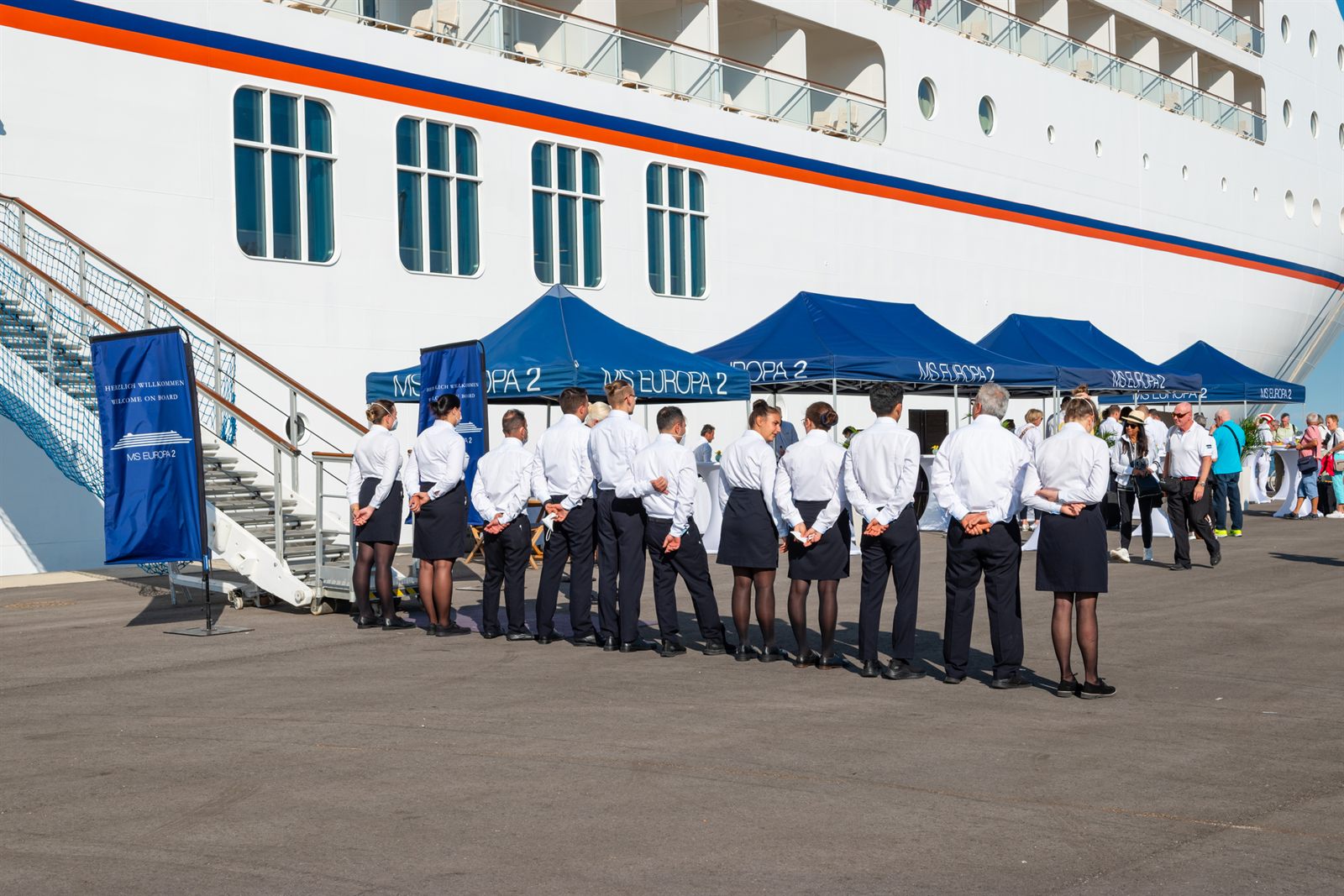
International rules govern how ocean cruise ships are built, equipped and crewed. Officers and crew train for fire, flooding and evacuation, and the ship is inspected by its flag state and by port authorities.
How ships keep you safe →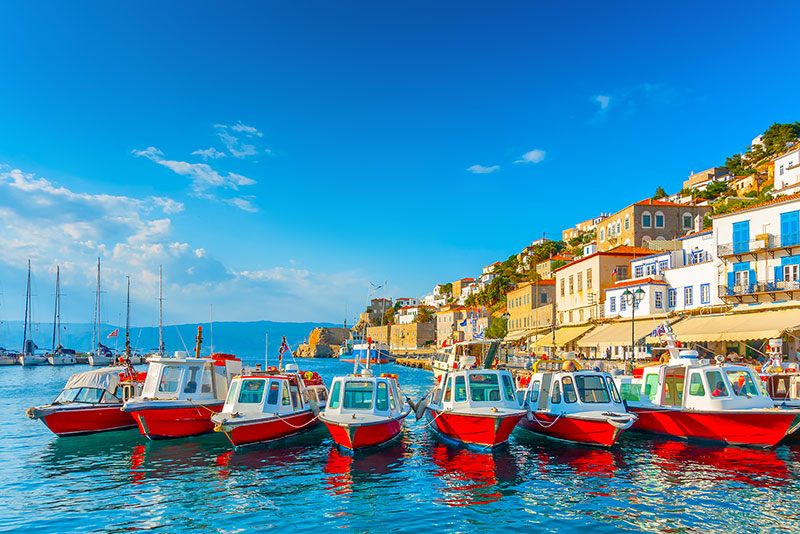
The ports you visit
Cruise lines choose ports and excursion operators carefully, and the U.S. State Department publishes advice for every country. A few minutes of reading before you go is time well spent.
Safety in port →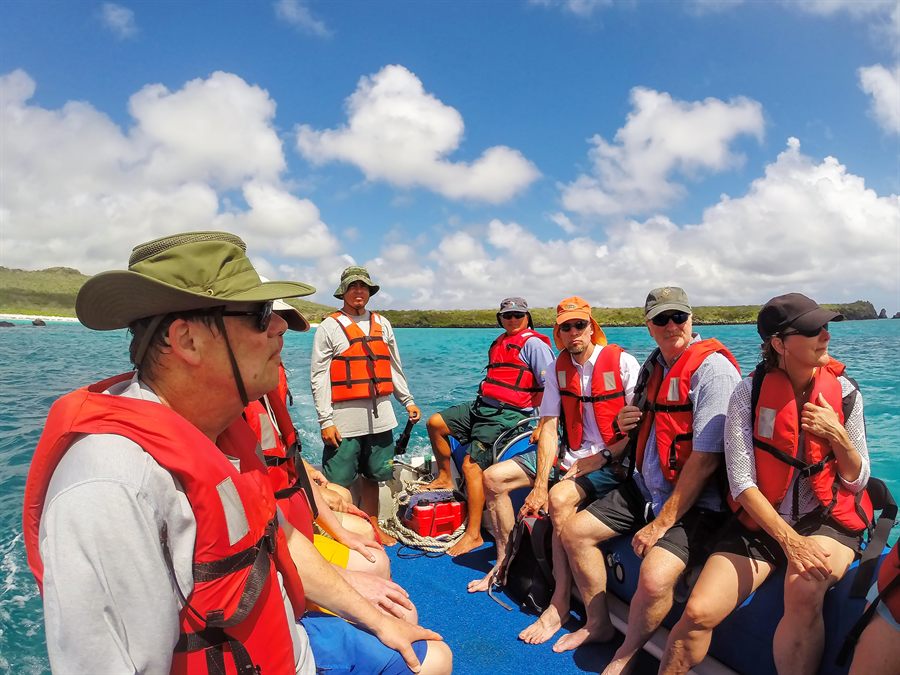
You and your own habits
Attend the safety briefing, keep your documents and medication with you, drink water in the sun, and be back on board before the all-aboard time. That is most of it.
Safety FAQ →What Actually Happens on Embarkation Day
Safety on a cruise begins before you step on board. At the terminal your luggage and carry-on bags are screened, much like at an airport, and every guest is photographed and issued a cruise card or digital key that records each time you leave and return to the ship. That simple system is how the crew knows exactly who is on board before the ship sails from every port.
Once you board, international rules require a passenger safety briefing before or immediately after departure. On many ships today this is an “e-muster”: you watch a short safety video on your phone or cabin TV, then visit your assembly station to check in with a crew member. On others, everyone gathers at their stations at a set time. Either way, you learn where to go, how to put on a life jacket and what the general emergency alarm sounds like. Your cabin door has a card with your assembly station on it — take a look before your first dinner.
- Carry your passport or ID, medication and valuables in your hand luggage, not your checked bags.
- Complete the cruise line’s online check-in and health questions before you travel.
- Walk from your cabin to your assembly station once, so you know the route.
- Note the nearest stairway — elevators are not used in an emergency.
- Save the ship’s phone number and the port agent’s details from your cruise documents.
Why We Built This Site
Cruise safety news tends to arrive as dramatic headlines with very little context. Meanwhile the quiet work — the inspections, the drills, the weather routing, the hand-washing stations at every buffet — rarely gets explained. Cruising Is Safe exists to fill that gap with calm, practical information and links to the official sources: the International Maritime Organization, the CDC, NOAA and the U.S. State Department. Where we are not sure of a fact, we leave it out.
If you have a specific concern — a medical condition, traveling with young children, sailing during hurricane season, or a destination you are unsure about — it is worth talking it through with someone who has seen a lot of cruises. That is what our cruise advisors at Mister Cruise do every day, at no cost to you.
Cruising Is Safe is part of the Smart Traveler network, led by Mister Cruise. He has sold travel since 1972 and worked full-time in the industry since 1977. He has sold or originated more than $500 million in cruises and has trained more than 500 travel agents.
When you ask for a quote, our cruise advisors at Mister Cruise handle it personally — not a call center — and book everything for you. Meet Mister Cruise →
Quick Answers
Is cruising safe?
Ocean cruise ships are among the most closely regulated passenger vessels in the world. They are built and operated under the international SOLAS convention, inspected by their flag state and by port-state authorities such as the U.S. Coast Guard, and run safety drills with their crews on a regular schedule. No form of travel is risk-free, but the systems on a modern cruise ship are designed so that you rarely have to think about them.
What is the single most useful thing I can do for my own safety?
Pay attention at the safety briefing (muster) on embarkation day, find your assembly station, and read the card on the back of your cabin door. It takes a few minutes and it is the one part of cruise safety that depends on you.
Should I buy travel insurance for a cruise?
For most travelers, yes. Your home health plan may not cover you outside your country, and medical care on board is billed separately from your fare. A policy that includes medical and evacuation cover is worth comparing before you sail.
Plan a Cruise With Peace of Mind
Tell us where you would like to go and any concerns you have. Our cruise advisors at Mister Cruise will suggest the right ship and itinerary and send free quotes.
Get Free Cruise Quotes